




A change of season is a natural time to look at the parts of your bedroom that everyday cleaning may miss. As summer ends and cooler weather arrives, windows may stay closed more often, heating season approaches, and bedrooms can see more daily use indoors.
A seasonal bedroom refresh does not mean deep cleaning every corner of the room. A more practical approach is to wash what can be washed, clean the surfaces that collect the most debris, and give mattresses and other frequently used soft surfaces some extra attention.
For homes with pets or busy family routines, this can be especially useful. The key is knowing where a deeper clean is worthwhile and where a regular routine is enough.
What Changes in Your Bedroom as the Season Turns?
Why Does Your Bedroom Need a Reset After Summer?
During warmer months, bedrooms may have more airflow from open windows and different daily routines. As temperatures drop and homes transition toward heating, it can be useful to reset the room before spending more time indoors.
This does not require a completely new cleaning routine. Instead, use the change of season as a reminder to clean areas that may have been overlooked during regular maintenance.
Which Bedroom Surfaces Hold Onto Dust, Hair, and Dander?
Hard surfaces and floors are relatively easy to clean, but fabric surfaces can hold onto everyday debris between cleaning sessions.
Bedding, mattresses, upholstered headboards, chairs, and pet resting areas can collect dust, hair, skin flakes, and other particles without necessarily looking dirty.
That makes them worth checking during a seasonal bedroom refresh, especially in homes with pets or children.
Which Bedroom Areas Are Easy to Overlook?
Some areas disappear from a normal cleaning routine simply because they are inconvenient to reach:
- Mattress seams and edges
- The space under the bed
- Upholstered headboards
- Areas beneath pillows and blankets
- Pet sleeping areas
- Corners behind bedside furniture
You do not need to clean all of them every time. Focus on the areas that are used most or are easiest to forget.
Where Does a Bedroom Need More Than Routine Cleaning?
Why Does Everyday Cleaning Miss Soft Surfaces?
A regular vacuum works well for floors, carpets, and accessible areas, but mattresses and upholstery require a different approach.
A large floor vacuum can be difficult to maneuver across a mattress, while seams, edges, and other areas may benefit from slower, more focused cleaning.
This is where dedicated mattress cleaning can add value to an otherwise effective household routine.
What Builds Up in Mattresses, Bedding, and Upholstery?
Soft surfaces can collect a mixture of everyday debris, including dust, hair, skin flakes, and pet-related particles.
Washable bedding can be cleaned according to its care label, but a mattress requires a different maintenance approach. Before cleaning, always check the manufacturer's instructions for the specific mattress or upholstered surface.
The goal is not to treat every soft surface the same way, but to match the cleaning method to the material and how it is used.
How to Clean a Mattress for a Seasonal Reset
Start With Bedding and Washable Fabrics
Remove sheets, pillowcases, mattress protectors, and other washable bedding and clean them according to their care labels.
If pets regularly sleep on or near the bed, include washable throws, blankets, and pet bedding in the same reset. Cleaning these items helps reduce the amount of loose hair and debris returning to the bed after cleaning.
Clean the Mattress and Other Soft Surfaces
With the bedding removed, inspect the mattress and pay particular attention to seams, edges, and areas beneath pillows.
Follow the mattress manufacturer's care instructions first. For suitable surfaces, a mattress vacuum cleaner can provide more focused cleaning than a general floor vacuum.
Move methodically across the mattress rather than repeatedly concentrating on one small area. The same principle can be applied to suitable upholstered furniture, provided its care instructions allow vacuum cleaning.
Finish With Floors, Corners, and Hard-to-Reach Areas
Once the mattress and other soft surfaces are addressed, finish the rest of the room.
Dust furniture and accessible surfaces first, then vacuum the floor, corners, and space beneath the bed. If pets spend time in the bedroom, give their usual resting areas extra attention.
This order helps prevent loose debris from settling back onto surfaces you have already cleaned.
Which Bedroom Refresh Steps Are Actually Worth Your Time?
A seasonal reset should be realistic enough to fit around everyday life. If you only have one free afternoon, prioritize the areas that are frequently used but rarely included in routine cleaning.
What Makes the Biggest Difference in a Single Afternoon?
If time is limited, use a simple 30-minute reset:
- Strip the bed and start the laundry.
- Ventilate the room when appropriate.
- Clean the mattress and other frequently used soft surfaces.
- Vacuum floors, corners, and under the bed.
- Put the clean bedding back once everything is dry.
For households with pets, include their bedding or regular resting areas rather than trying to clean every surface in the room.
Which Cleaning Steps Are Easy to Skip?
The mattress, bed-frame edges, space beneath the bed, and upholstered furniture are easy to overlook because they may not look obviously dirty.
A useful question is: When was the last time I cleaned this surface rather than simply cleaned around it?
That question can help you decide where your next seasonal cleaning session should focus.
When Is Replacing Bedding Better Than Cleaning It?
Cleaning should generally come before replacement when an item is still usable and can be properly maintained.
Replacement may be more appropriate when bedding or a mattress protector is worn, damaged, no longer fits correctly, or cannot be cleaned effectively according to its care instructions.
For mattresses, regular cleaning is part of maintenance, but it is not a substitute for replacing one that has reached the end of its useful life.
Mattress Vacuum vs. Regular Vacuum: What's the Difference?
What Can a Regular Vacuum Handle?
A regular vacuum is the main tool for everyday bedroom cleaning. It can handle floors, carpets, corners, and other accessible areas efficiently.
If your main cleaning needs are around the room itself, a standard vacuum may already cover most of them.
What Does a Dedicated Mattress Vacuum Add?
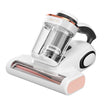
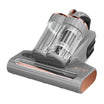
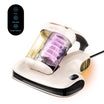
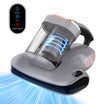
A dedicated mattress vacuum cleaner is designed around more focused cleaning of mattresses and suitable soft surfaces.
Instead of treating the mattress as another floor area, it provides a tool specifically suited to this type of cleaning. This can be useful when mattress cleaning is a regular part of your household routine.
| Tool | Best suited for |
|---|---|
| Regular vacuum | Floors, carpets, corners, and general household cleaning |
| Mattress vacuum cleaner | Focused cleaning of mattresses and suitable soft surfaces |
| Both | Homes that need regular floor cleaning and more focused mattress care |
You do not automatically need both. The more useful question is whether mattress and soft-surface cleaning happens often enough in your household to justify a dedicated tool.
When Do You Need a More Focused Cleaning Tool?
A dedicated mattress vacuum may be worth considering if you regularly clean mattresses, upholstered furniture, or other suitable soft surfaces.
It can also make sense in households where pets spend time on beds and sofas, or where a regular floor vacuum is inconvenient to use on these surfaces.
If mattress cleaning is only an occasional task, your existing vacuum may be sufficient. The choice depends on your cleaning habits rather than a universal requirement for a second vacuum.
Where Do JIGOO T600 and JIGOO V700 Fit Into a Seasonal Bedroom Reset?
What Does JIGOO T600 Add to Mattress Cleaning?
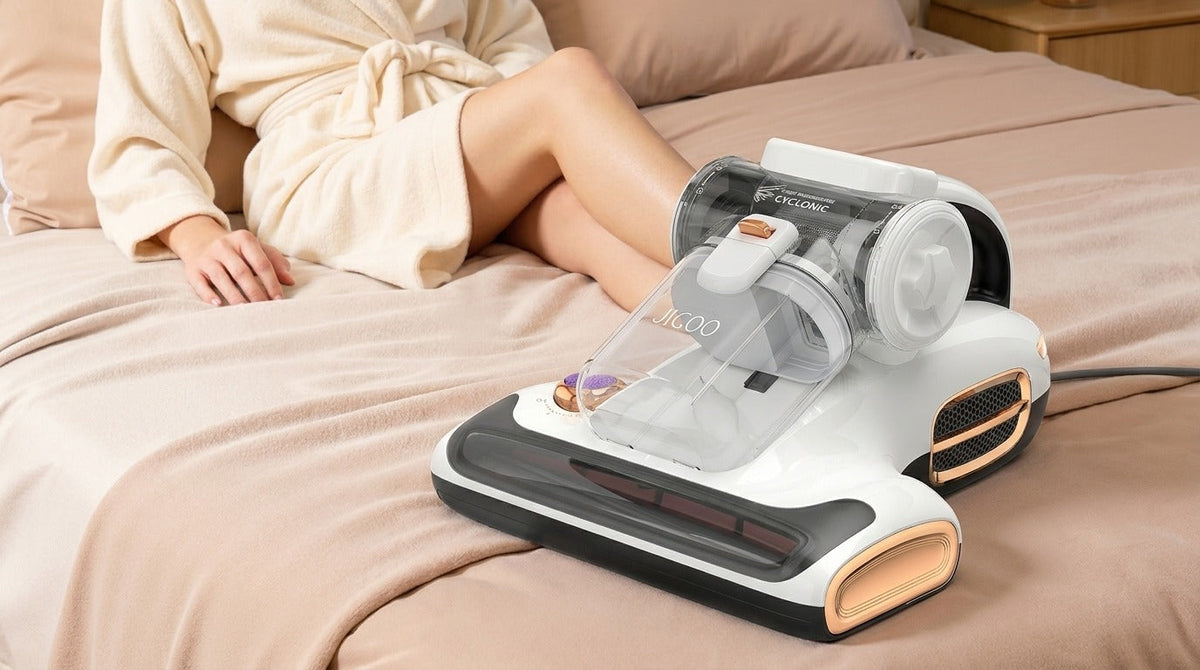
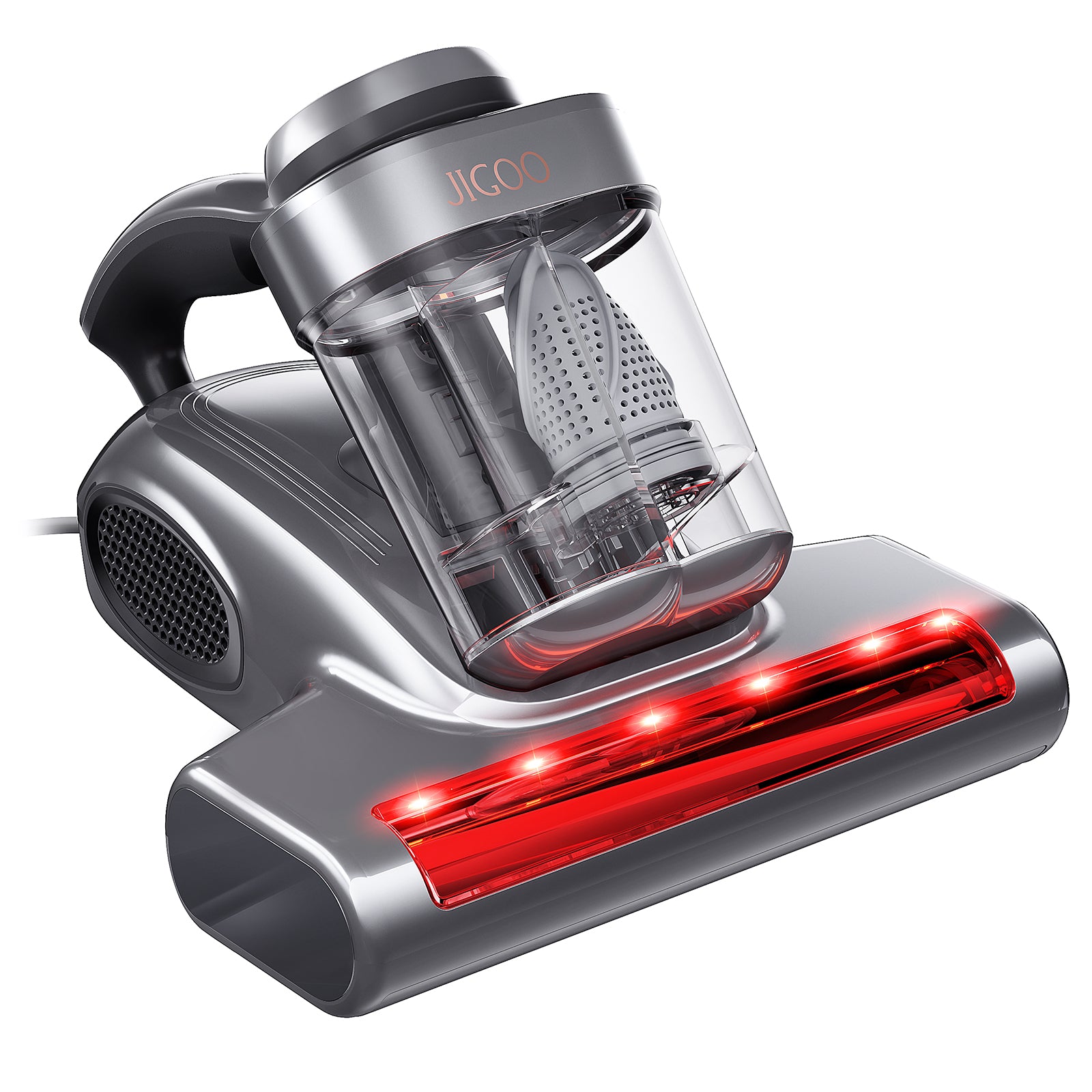
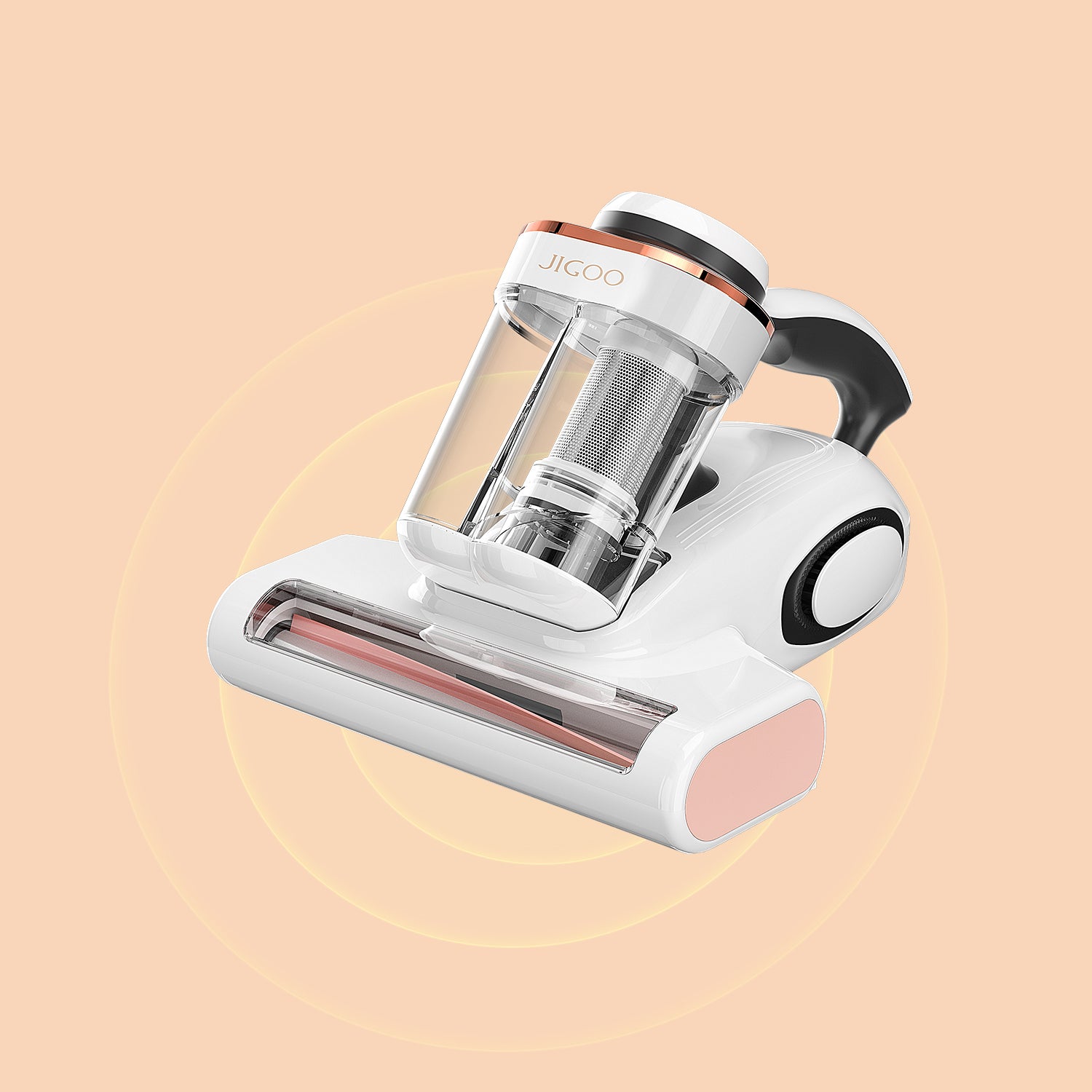
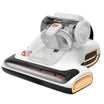
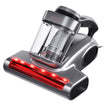
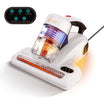
The JIGOO T600 mattress vacuum is designed for focused mattress and bedding cleaning. Its 700W motor, 15kPa suction, 230mm suction inlet, metal brushroll, and dual-cup design are built around removing everyday debris from suitable soft surfaces.
It also combines suction with 60°C hot air and UV-C light. These functions are part of the T600's cleaning system, but they should not be treated as a replacement for normal washing, ventilation, or proper mattress care.
For a seasonal bedroom reset, the T600 makes the most sense when the mattress itself is one of the areas you want to clean more deliberately.
When Should You Use JIGOO T600 vs. JIGOO V700?
The JIGOO T600 and JIGOO V700 are designed for different cleaning roles.
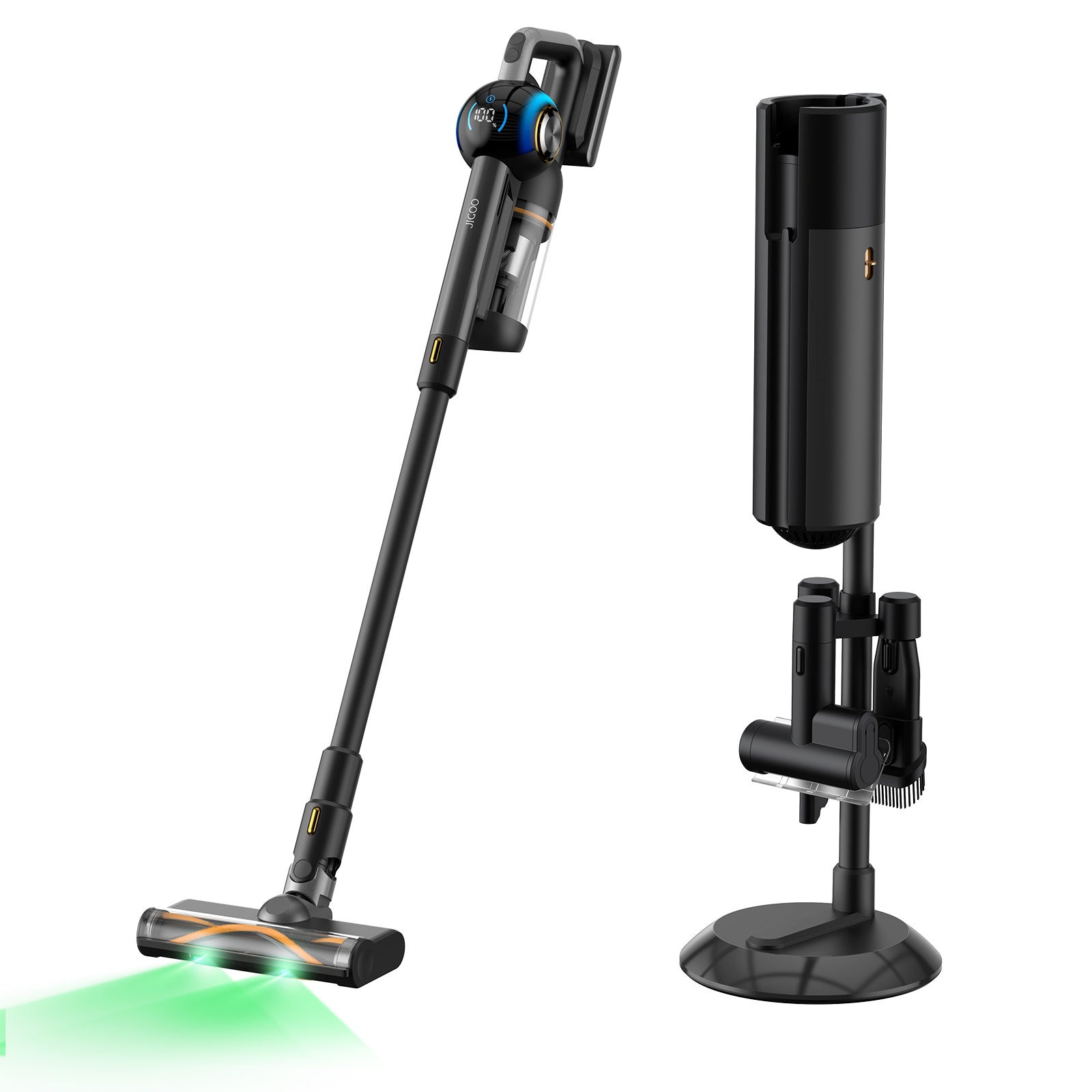
The JIGOO T600 is a focused mattress and bedding cleaning tool, while the JIGOO V700 is designed for broader household vacuuming.
The JIGOO V700 offers cordless cleaning, up to 55 minutes of runtime, multiple suction levels, and an auto-empty station. Its four-stage HEPA filtration system and range of accessories make it suited to regular floor and household cleaning.
A simple way to think about the two:
- JIGOO V700: general bedroom and household cleaning
- JIGOO T600: focused mattress and suitable soft-surface cleaning
- Both: useful when general room cleaning and dedicated mattress care are separate parts of your routine
How Does JIGOO V700's Auto-Empty Station Support Regular Cleaning?
The JIGOO V700 cordless stick vacuum is designed to make routine vacuuming easier to maintain.
After cleaning, it can return to its auto-empty station for dust collection and charging. The station uses a 2.5L dust bag, reducing the need to manually empty the vacuum after every session.
For a seasonal reset, this matters less as a one-time feature and more as part of keeping up with regular cleaning afterward.
What These Tools Do Not Replace
Neither vacuum replaces normal household care.
Wash bedding according to its care instructions, follow mattress manufacturer's recommendations, and replace worn or damaged items when necessary.
Regular vacuuming can help reduce dust, pet hair, and other potential allergens around the bedroom. For people who are sensitive to these particles, keeping them under control may help make the bedroom more comfortable. Of course, cleaning is only part of the picture and does not replace medical advice or treatment when allergies are a concern.
How Often Should You Reset Your Bedroom?
How Often Should You Deep Clean a Mattress?
There is no single schedule that works for every household.
A seasonal mattress cleaning routine can provide a useful baseline, while homes with pets, children, or heavier bedroom use may need more frequent attention depending on how quickly debris accumulates.
When Is a Basic Refresh Enough?
Not every week needs to become a deep-cleaning session.
Keep up with regular bedding and floor cleaning, then use seasonal changes as a reminder to address less frequently cleaned surfaces such as mattresses, upholstered furniture, and areas beneath the bed.
This keeps bedroom maintenance manageable without turning every cleaning session into a major project.
Conclusion
A seasonal bedroom refresh is not about cleaning everything at once. It is about noticing the surfaces your normal routine tends to miss and giving them attention when the season changes.
Wash what can be washed, clean the mattress when it needs more focused attention, and keep floors and frequently used areas part of your regular routine.
For general household cleaning, the JIGOO V700 fits naturally into everyday maintenance. For more focused mattress and bedding cleaning, the JIGOO T600 provides a dedicated option.
The most useful cleaning routine is the one that fits how your household actually lives—and that you can keep up throughout the year.
FAQ
How often should you deep clean a mattress?
A seasonal mattress cleaning routine is a practical starting point for many households. Homes with pets, children, or heavier bedroom use may benefit from more frequent cleaning, depending on how quickly dust, hair, and other debris accumulate.
Does a mattress vacuum remove dust mites?
A mattress vacuum can help remove dust, hair, skin flakes, and other particles from the mattress surface. It does not guarantee complete dust-mite removal, and it is not a treatment or prevention method for allergies. For concerns about dust mites or allergies, follow the advice of a qualified professional.
Do I need a mattress vacuum if I already have a regular vacuum?
Not necessarily. A regular vacuum is suitable for general bedroom cleaning, while a dedicated mattress vacuum cleaner such as the JIGOO T600 is designed for more focused cleaning of mattresses and suitable soft surfaces. Whether you need one depends on how often mattress cleaning is part of your household routine.