




The New Year brings resolutions, fresh starts, and—hopefully—better habits, better routines, and better sleep. Many people commit to a sleep reset, hoping that adjusting bedtime or limiting screen time will finally help them feel rested. Yet for many, the promise is just out of reach.
The reason is simple: sleep quality is shaped not only by schedules but also by the environment your body rests in every night. And for most people, the most overlooked part of that environment is the mattress.
A cleaner bedroom does not start with décor or candles. It starts with what you sleep on.
Say Goodbye to “New Year Blues”: Why Your Sleep Reset Often Fails
People searching for how to fix your sleep schedule usually focus on habits—wake-up times, caffeine intake, or evening routines. These matter, but they overlook a critical factor: persistent biological irritants in the bedroom.
Even with perfect routines, your sleep can still be disrupted by:
- Dust mites living deep inside mattresses and pillows
- Microscopic allergens released through movement during the night
- Residual moisture and warmth that support mite survival
When these factors remain unaddressed, the body stays in a low-level state of irritation. The result is lighter sleep, frequent waking, and morning fatigue that no schedule adjustment can fully solve.
A true sleep reset requires removing the invisible stressors that interfere with rest.
The Hidden Crisis in Your Bed: Why “Clean” Isn’t Always Clean
Revealed: What’s Really Inside Your Mattress

Image by CSIRO, licensed under CC BY 3.0.
A mattress may look clean, but it functions like a dense fabric ecosystem. Over time, it accumulates:
- Shed skin cells
- Moisture from body heat and perspiration
- Dust, pollen, and pet dander
These conditions are ideal for dust mites. Research consistently shows that a single mattress can harbor millions of dust mites, along with their waste particles—one of the most common indoor allergy triggers.
Dust mites do not bite, but their byproducts are easily inhaled during sleep, especially when turning or shifting position. This exposure can contribute to:
- Nasal congestion and sneezing
- Asthma symptoms
- Skin irritation
- Fragmented sleep cycles
If you wake up tired despite getting “enough” hours, your mattress environment may be part of the problem.
Why Traditional Mattress Cleaning Falls Short
Many households rely on familiar methods:
- Beating or shaking the mattress
- Occasional sun exposure
- Using a standard household vacuum
While these approaches remove surface dust, they do not reach deep mattress fibers, where mites, eggs, and allergens concentrate. In some cases, improper vacuuming can even re-release fine particles into the air, creating secondary contamination.
Effective mattress hygiene requires more than suction alone.
It requires a layered, system-level approach.
The Core Tool for a Bedroom Reset: How a Mattress Vacuum Improves Sleep Quality
How Professional Dust Mite Removal Actually Works
High-performance mattress vacuums are designed around a multi-stage process rather than a single feature. This process typically includes:
- High-frequency tapping to loosen mites, eggs, and debris embedded deep within fabric layers
- Strong, immediate suction to capture loosened particles before they resettle
- UV-based treatment to reduce microbial activity on contact
- Sealed multi-stage filtration to trap ultra-fine dust and prevent allergen leakage
Together, these steps address the root causes of mattress contamination—not just visible dust.
A Flagship Example: How the JIGOO T600 Implements This System
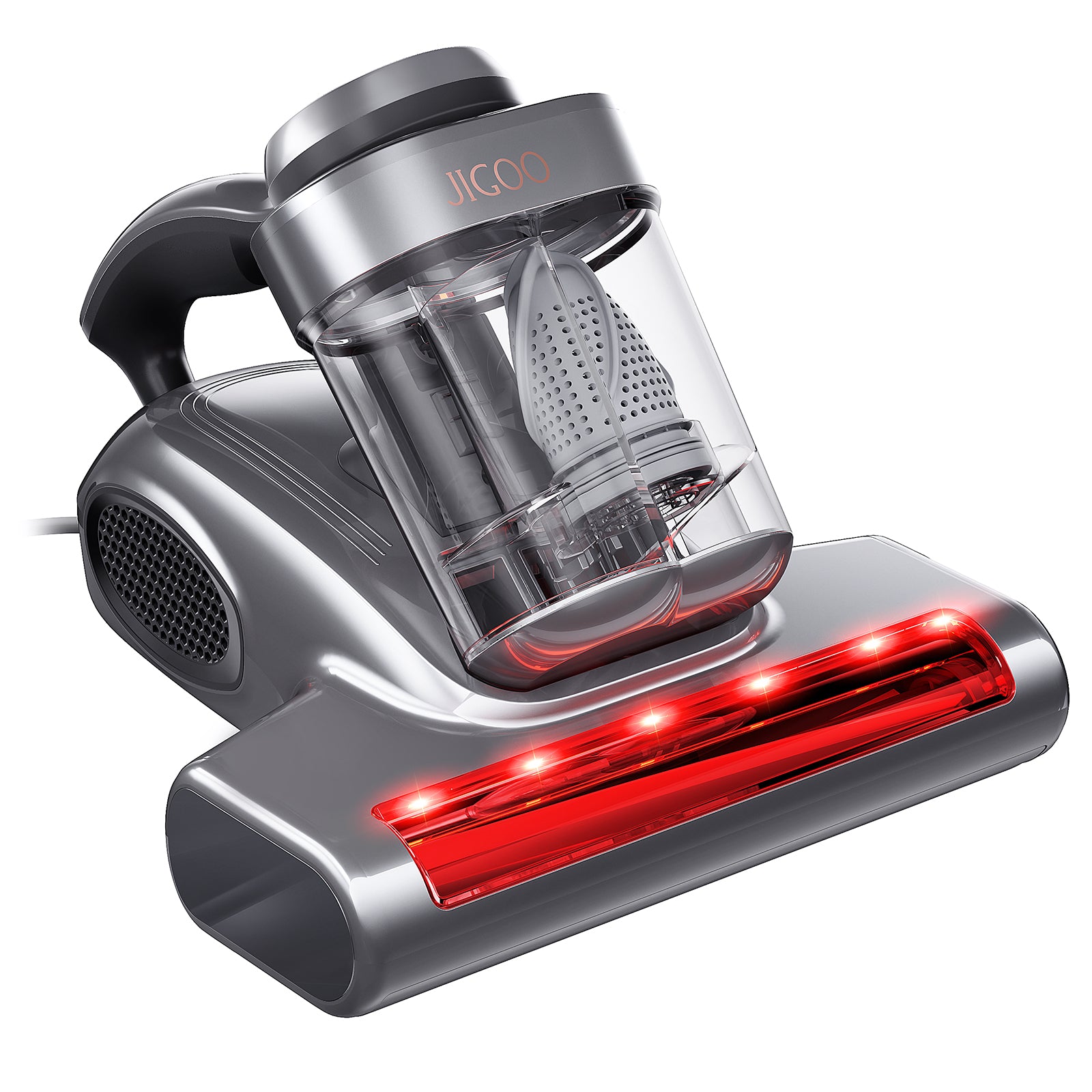
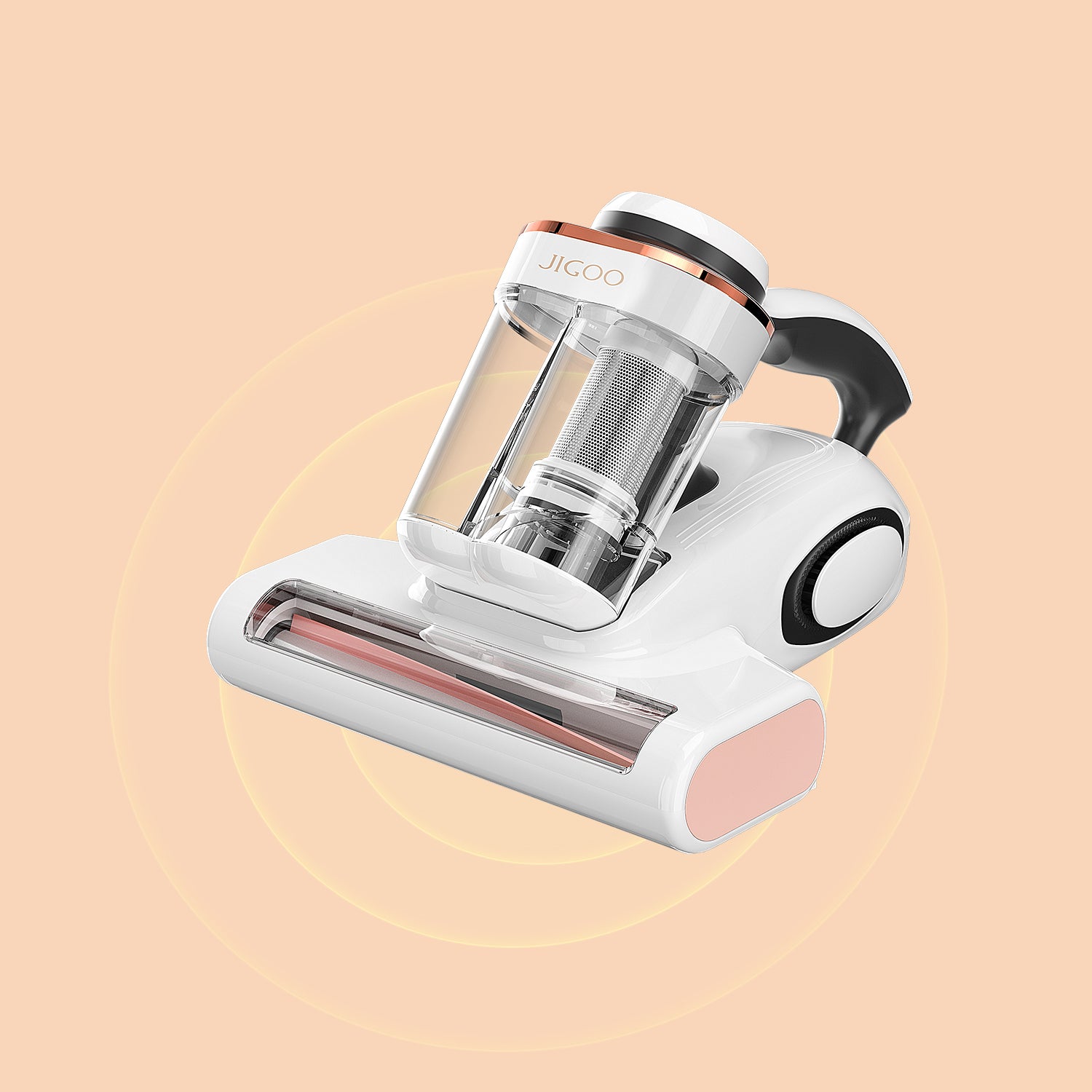
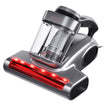
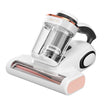
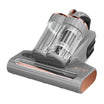
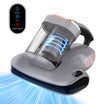
In flagship-level devices, this scientific pathway is refined into a single, continuous workflow. The JIGOO T600 mattress vacuum is designed as one such system.
It integrates:
- A metal roller brush that delivers intensive, high-frequency tapping to penetrate dense mattress layers

- Rapid heating to 60 °C within 5 seconds, helping reduce residual moisture that dust mites rely on

- UV treatment and ultrasonic vibration working alongside mechanical cleaning

- A dual-cup separation design, with independent dust and filter cups to minimize secondary pollution during disposal

Rather than relying on repeated surface passes, this coordinated design allows mites and allergens to be loosened, neutralized, captured, and contained in one controlled process.
The result is not just a cleaner-looking mattress, but a more stable sleep surface that supports long-term sleep quality.
Beyond Cleaning: Why Experience Matters for Long-Term Sleep Hygiene
Extra Insight: Sensory Feedback and Habit Formation
Sustainable mattress hygiene depends on consistency. One reason people neglect deep cleaning is that results are invisible.
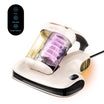
The JIGOO T600 addresses this through real-time mite visualization, allowing users to see allergen levels change during cleaning. This transforms mattress care from a vague task into a measurable process, encouraging slower, more thorough passes.
In addition, its aromatherapy mite-removal system releases a gentle fragrance during cleaning. While scent does not remove allergens, it enhances perceived freshness and relaxation—making users more likely to maintain regular cleaning habits as part of a broader sleep reset routine.
These features do not replace core cleaning functions; they support behavioral consistency, which is often the missing link in long-term bedroom hygiene.
Creating a Mite-Free Bedroom: The Complete Bedroom Cleaning Checklist
For a sustainable sleep reset, mattress care should be part of a broader system:
1. Wash bedding weekly in warm water
2. Deep-clean mattresses and pillows on a regular schedule
3. Reduce humidity below 50% where possible
4. Clean surrounding fabrics such as curtains, rugs, and sofas
5. Keep under-bed areas clear to limit dust accumulation
A mattress vacuum becomes the central tool in this routine, especially for households with allergies, children, or pets.
How Often Should You Deep-Clean Your Mattress?
- Allergy-sensitive sleepers: 2 times per week
- Homes with pets or children: 3–4 times per week on high-contact areas
- General maintenance: Weekly or bi-weekly deep cleaning
Consistency matters more than intensity. Regular care prevents buildup and supports stable sleep quality over time.
Conclusion: Clean Sleep Is Not a Luxury—It’s Infrastructure
A sleep reset is not just about discipline or routines. It is about removing the invisible factors that keep your body on alert while you rest.
A truly clean mattress forms the foundation of a healthier bedroom and more restorative sleep. Tools like the JIGOO T600 flagship mattress vacuum represent how far home sleep hygiene has evolved—from surface cleaning to system-level care.
When the surface you sleep on is genuinely clean, everything else becomes easier: deeper rest, clearer mornings, and a New Year that actually feels renewed.