



We spend about one-third of our lives on a mattress, yet it’s often one of the last things we think to clean.
Over time, dust mites, sweat, dead skin, and bacteria quietly build up inside the fabric—even if the surface still looks clean.
That’s why many people only realize the issue when allergies appear, odors linger, or the mattress starts to feel “used” in a way that’s hard to explain.
So when searching for how to clean a mattress, most people turn to quick fixes like sprays, scrubbing, or sun-drying.
At first, they seem convenient. But many of these methods only clean the surface—and some can even introduce new problems.
So what actually works in a way that is both effective and eco-friendly?
The Hidden Environmental Cost of Traditional Mattress Cleaning
At first glance, common cleaning methods seem harmless. But when examined more closely, many carry hidden environmental costs.
Chemical sprays, for example, often contain VOCs and synthetic fragrances. They may mask odors or kill surface bacteria temporarily, but they can also leave residues trapped in the fabric—affecting indoor air quality over time.

Even “natural” solutions like baking soda aren’t always as eco-friendly as they seem. Heavy use often requires repeated vacuuming, which increases electricity consumption and puts extra strain on filters.
Steam cleaning introduces another issue: moisture. It uses large amounts of water and energy, and if the mattress doesn’t dry completely, it can create the perfect environment for mold and bacteria.

Sun-drying helps with surface moisture, but it doesn’t reach deep enough to remove embedded dust mites or allergens.
Over time, these ineffective methods can lead to a bigger problem—frequent mattress replacement, which adds unnecessary waste to landfills.
What Makes Mattress Cleaning Truly Eco-Friendly?
In simple terms, eco-friendly mattress cleaning means removing what matters—without adding unnecessary chemicals, moisture, or waste.
A truly sustainable method should:
- Avoid chemical residue
- Minimize water usage
- Prevent re-contamination
- Extend the lifespan of your mattress
The goal isn’t just to clean your mattress—it’s to clean it in a way that is dry, deep, and controlled.
How to Clean a Mattress the Eco-Friendly Way
You don’t need a complicated routine to clean a mattress properly. In fact, the most effective method is surprisingly simple—and completely chemical-free.
1. Remove Loose Surface Debris
Start by lifting away hair, dust, skin flakes, and other loose particles. This prevents debris from being pushed deeper into the fabric during cleaning.
2. Extract Deep-Seated Dust and Allergens
This is the most important step. Dust mites and allergens don’t stay on the surface—they settle deep inside the mattress layers. A standard household vacuum is usually not designed for this kind of targeted extraction.
That’s where a dedicated mattress vacuum makes a real difference.
3. Use Chemical-Free Hygienic Treatment
Instead of sprays or detergents, modern cleaning tools use controlled heat or UV sanitation to help reduce bacteria and improve hygiene.
4. Keep the Mattress Dry
Moisture is one of the biggest risks in mattress cleaning. A dry-cleaning approach helps reduce the chance of mold, odor, and bacterial buildup.
At its core, eco-friendly mattress cleaning follows one principle:
no water, no chemicals, no unnecessary waste—just precise, targeted cleaning.
Not All Mattress Vacuums Are Built the Same
It’s easy to assume that any vacuum cleaner will do the job. But mattress cleaning is very different from cleaning floors.
Mattress materials are dense and layered, designed to trap particles deep within the fabric. Dust mites and allergens don’t simply sit on the surface.
That means effective cleaning requires more than just suction.
A well-designed mattress vacuum should include:
- High-frequency tapping to loosen embedded particles
- Strong, consistent suction to extract them
- Heat or airflow to reduce moisture
- UV sterilization to eliminate bacteria without chemicals
Without this combination, cleaning tends to stay superficial. And inefficient cleaning often leads to repetition—which ultimately consumes more energy over time.
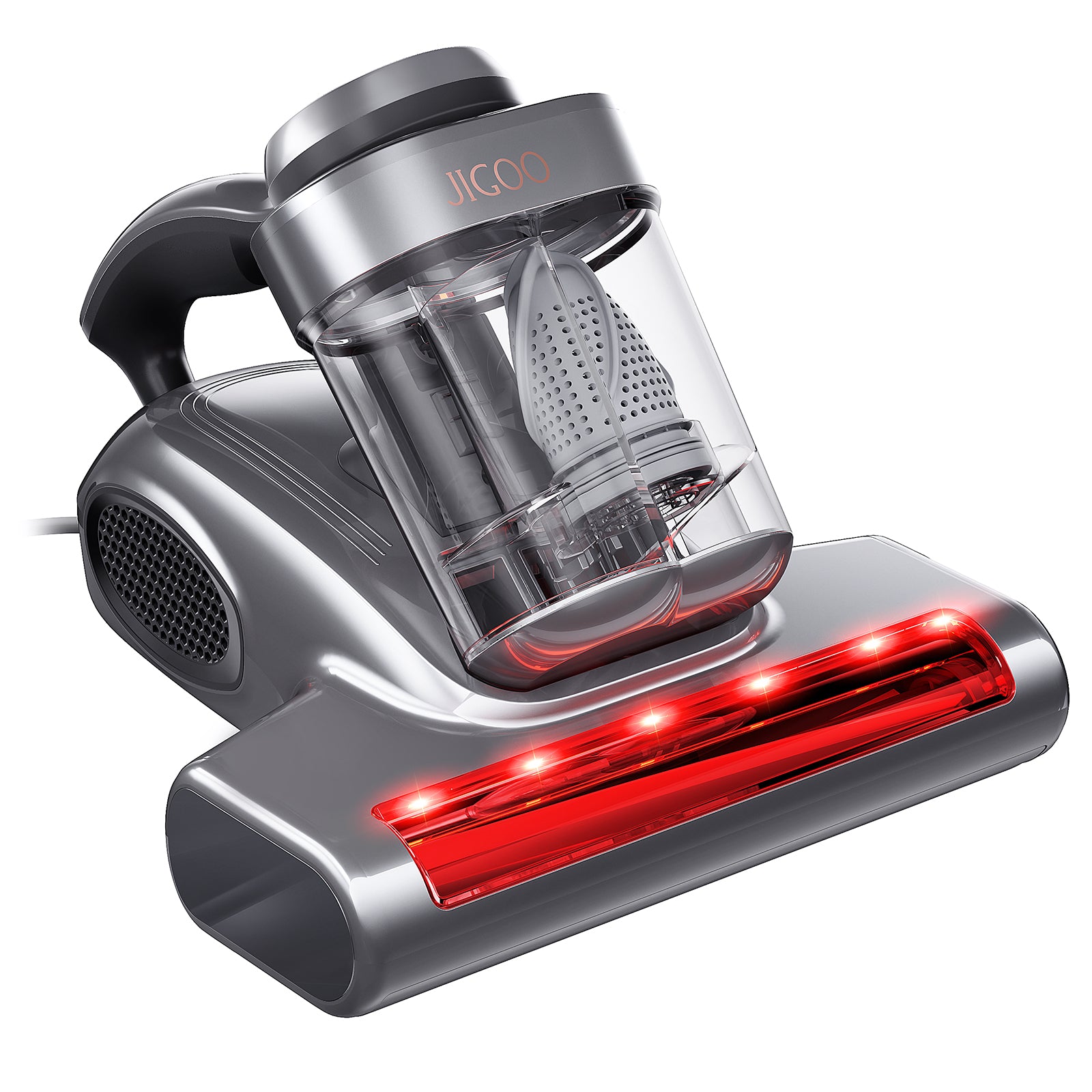
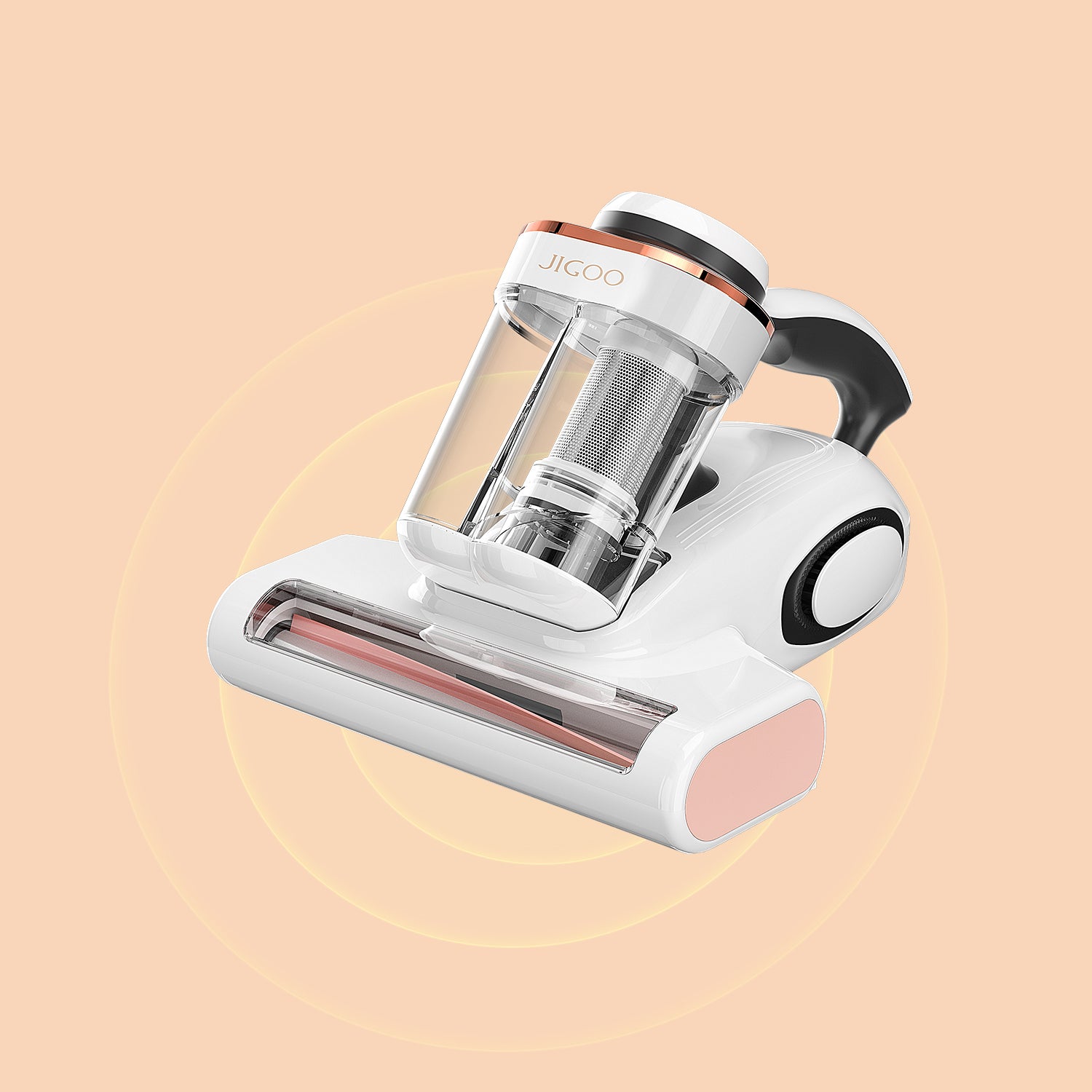
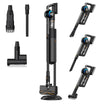
Deep Cleaning Option: JIGOO T600
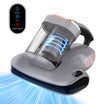
For a full deep-cleaning reset, the JIGOO T600 fits naturally into a more sustainable cleaning approach—not by adding more effort, but by making deep cleaning more efficient and less repetitive.
Instead of relying on water or chemical-based cleaning methods, it focuses on dry, high-efficiency extraction combined with controlled heat and hygiene support, which aligns with the core principle of eco-friendly mattress cleaning: clean deeper, waste less.
Why it works in a sustainable cleaning system:
With a 700W motor and up to 15 kPa suction power, the T600 is designed to remove deeply embedded dust, allergens, and debris in fewer passes. This matters because fewer cleaning cycles also means less energy consumption over time.
Its 60°C constant hot air drying helps reduce internal moisture during cleaning, lowering the risk of mold or odor buildup—one of the most common hidden issues in mattress maintenance.

Instead of guessing whether the mattress is clean, the dust indicator provides instant visual feedback, helping users avoid unnecessary repeated cleaning, while the built-in natural plant-based aroma capsule helps neutralize odors during cleaning, reducing the need for additional sprays.
From an eco-friendly perspective, the key value of the T600 is simple: it helps you clean more thoroughly in fewer sessions, reducing overall resource use.
Daily Maintenance Option: JIGOO J300 Pro
While deep cleaning resets the mattress, true sustainability comes from what you do every day.
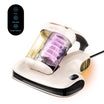
The JIGOO J300 Pro is designed for that ongoing maintenance layer—helping keep mattresses, pillows, and fabric surfaces consistently clean without relying on intensive cleaning cycles.
What makes it relevant in an eco-friendly system is not just performance, but how it supports frequent, low-effort cleaning habits that reduce the need for heavy deep cleaning later.
Why it fits a daily eco-cleaning routine:
With a 550W balanced motor and 14 kPa suction power, it handles regular dust, skin flakes, and surface allergens efficiently without over-consuming energy.
Its U-FIR far-infrared heating technology adds a deeper hygiene layer by helping disrupt the living conditions of dust mites within fabric layers—supporting long-term cleanliness without chemical use.

The 48,000 times/min high-frequency tapping system combined with anti-tangle design ensures consistent cleaning performance, especially for everyday use on sofas, bedding, and soft furniture.

The lightweight structure makes it easier to clean more frequently—this is important because in real eco-cleaning behavior, frequency often matters more than intensity.
From a sustainability perspective, the J300 Pro plays a different role: It helps users maintain cleanliness consistently, so deep cleaning becomes less frequent and less resource-heavy.
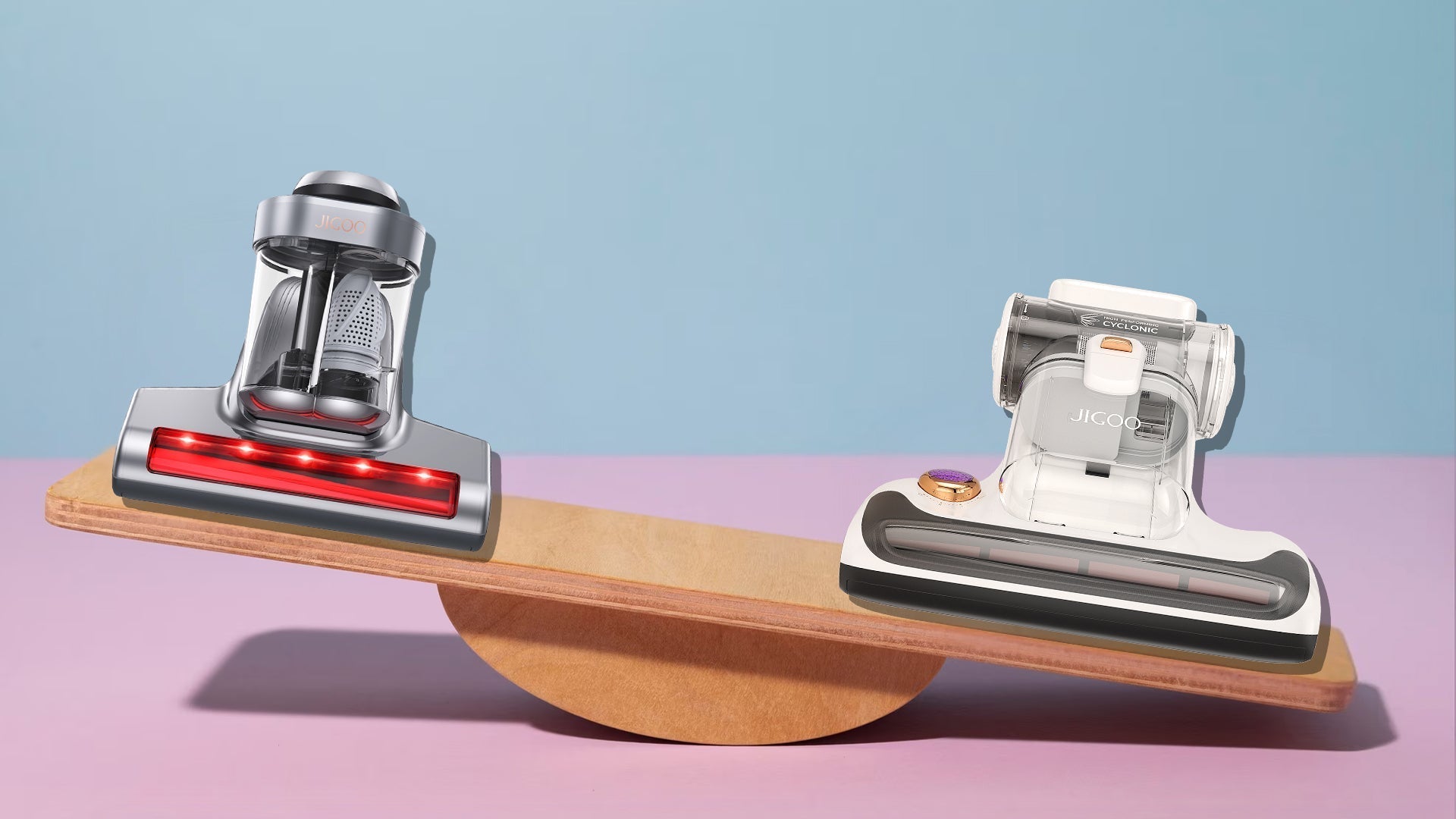
JIGOO T600 vs J300 Pro: Which One Should You Choose?
| Role in Cleaning System | JIGOO T600 | JIGOO J300 Pro |
|---|---|---|
| Cleaning purpose | Deep reset & full extraction | Daily maintenance & prevention |
| Cleaning approach | Fewer, deeper cleaning cycles | Frequent, light cleaning cycles |
| Energy logic | High power, low frequency use | Moderate power, high frequency use |
| Moisture control | Fast heat drying support | Far-infrared hygiene support |
| User experience | Structured, guided cleaning | Lightweight, easy daily use |
In simple terms:
- The T600 is used when your mattress needs a full reset—removing long-term buildup in one or two deep sessions.
- The J300 Pro is used to maintain that cleanliness day by day, preventing buildup from becoming a bigger problem.
Used together, they create a more complete system: deep cleaning + continuous maintenance = lower overall waste, longer mattress lifespan
Why Eco-Friendly Mattress Cleaning Is the Future
Cleaning habits are changing.
More people are paying attention not just to cleanliness, but to how cleaning affects their health and environment.
A mattress isn’t just another piece of furniture—it’s part of your daily sleep and breathing environment.
So the way you clean it matters.
Choosing a dry, chemical-free, low-waste approach isn’t just better for your mattress—it’s better for your home, and for the habits you build over time.
Conclusion: Clean Smarter, Live Better
The most eco-friendly way to clean a mattress isn’t about stronger chemicals or more complicated routines.
It’s about choosing the right method:
- Dry instead of wet
- Deep instead of surface-level
- Targeted instead of excessive
In that system, tools like the JIGOO T600 and JIGOO J300 Pro are not just convenient—they support a more sustainable way of living.
Because a truly clean home isn’t just cleaner.
It’s healthier, simpler, and built to last.