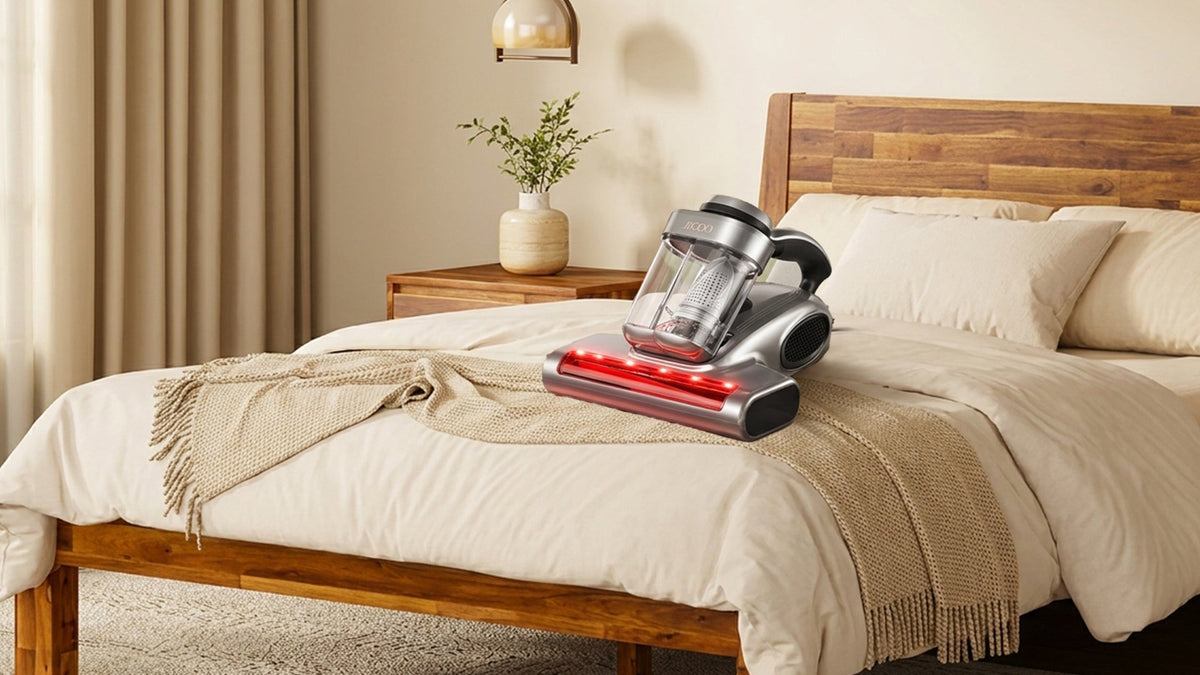
Most people are pretty good at washing bed sheets every few weeks or so. Pillowcases are changed up, and comforters or blankets freshened so when the day is over, and it's time to lie down, there is a bed ready and waiting.
The trouble is that basic cleaning may not do the trick. The bed is the largest fabric surface in the home. It collects everything from dead skin cells leftover by guests staying for the holidays to invisible pet dander or pollen after a long evening walk.
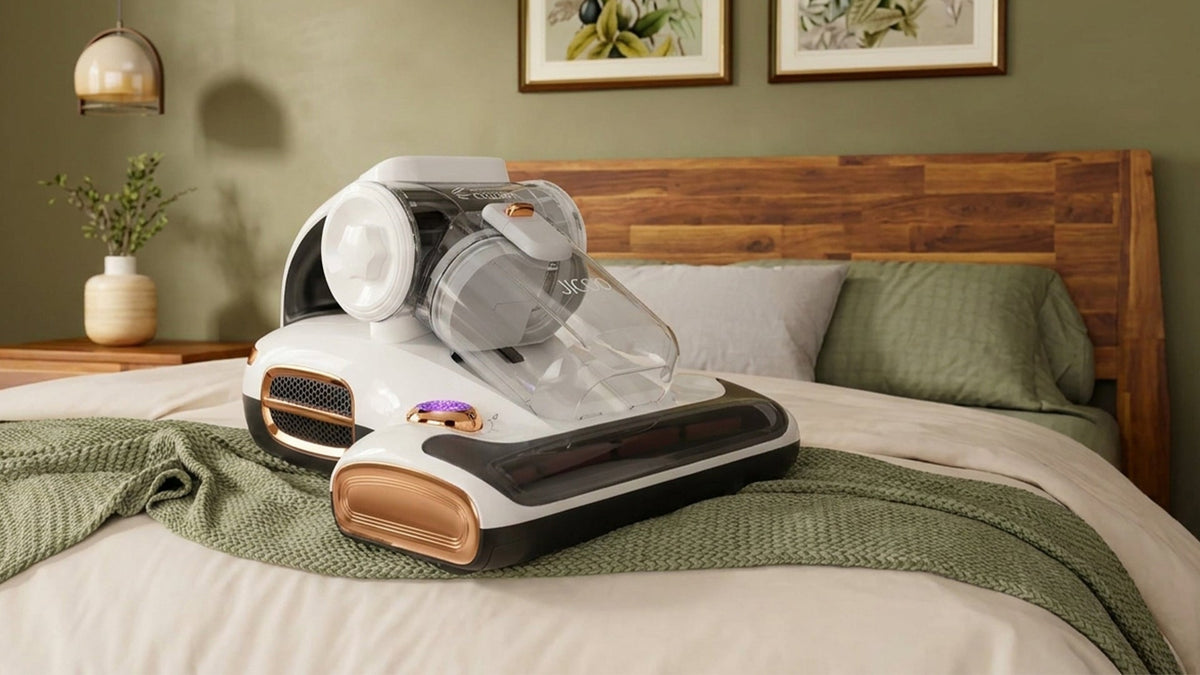
While you can certainly vacuum the bedroom floor and maybe beat out the window coverings now and then, ensuring you deep clean the mattress is just as important. That will safely remove any debris that a standard household cleaner cannot reach. Here’s how a smarter mattress vacuum cleaner routine using purpose-built products like the JIGOO T600 and J300 Pro can make a difference.
Why Mattress Deep Cleaning Matters
Even when your mattress looks like it’s perfectly clean, there could be a surprising amount of material accumulating just below the surface. Adults lose around 454 g of dead skin cells each year while sleeping. All the moisture and oils seep into the fabric.
When you air out the room, all that dust, pollen, and pet hair get mixed around in a controlled tornado of debris no one wants to deal with. Most traditional upright cleaners cannot reach where a mattress vacuum cleaner can go. They cannot get between thick upholstered surfaces or have the specialized technology to loosen debris hidden where the eyes cannot see.
A Cleaner Mattress Supports Better Sleep
There is also the matter of getting a good night’s sleep. An adult should get around 7 to 9 hours of sleep each night. That’s a lot harder when the environment isn’t all that clean or comfy.
Using a mattress vacuum cleaner designed to address accumulated dust and allergens that get in the way of a relaxing sleep helps a lot. It means less irritation from stuffy noses or red eyes interrupting much-needed sleep, especially when high pollen results in allergic rhinitis or hay fever.
You want a more inviting bedroom. A place where you can relax and scroll the latest social media feeds, open up a great romance novel, put on a favourite streaming show you’ve been waiting all day to watch, or simply drift off to dreamland when your mind and body need a rest.
How Often Should You Deep Clean Your Mattress?
No two households are alike. A four-bedroom home with two adults, a teen, and a young baby will have a different anti-mite cleaner vacuum schedule than a two-bedroom condo used for short-term renting. You want to adjust whatever mattress deep cleaning schedule you make to the use and lifestyle of your home.
Recommended Cleaning Frequency for Different Homes
For Ordinary Households (1 to 2 Months)
For an ordinary household without any pets or severe allergy concerns, you can get away with deep cleaning your various mattresses around every one to two months. You should still wash your sheets weekly, rotate the mattress based on manufacturer recommendations, and vacuum the bedroom regularly. If you can control the humidity, that will also help with anything sticking to the mattress between cleanings.
For Households with Pets (2 to 4 Weeks)
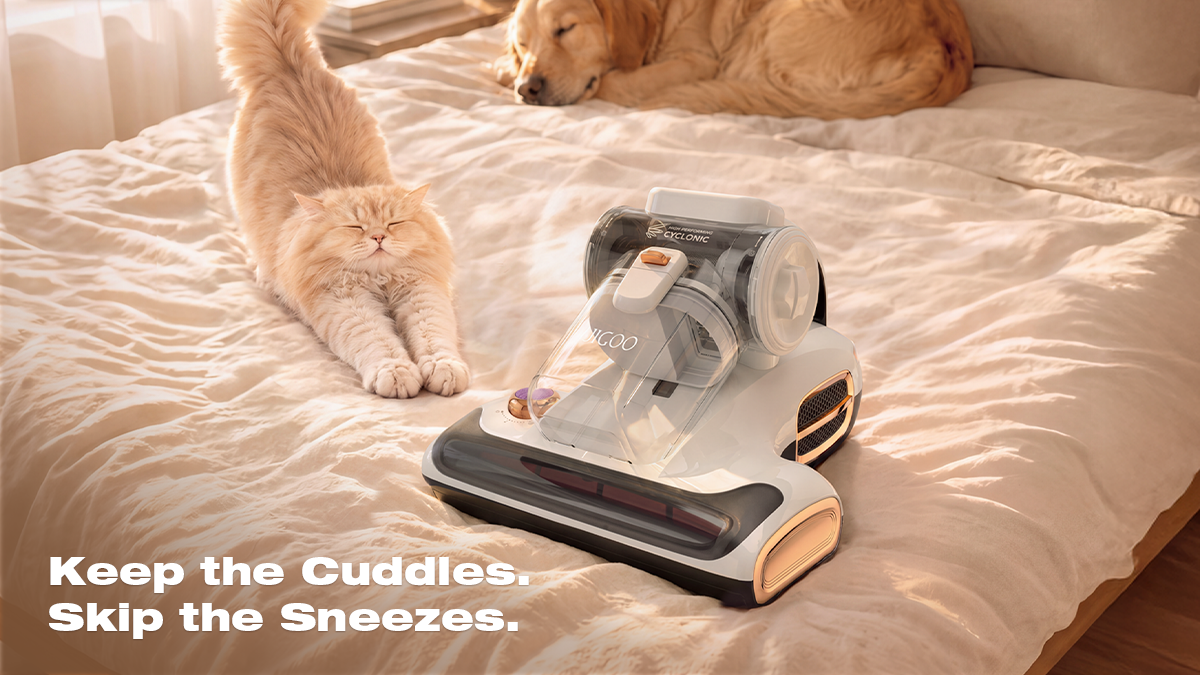
The moment pets are involved, you’ll need to improve your mattress vacuum deep cleaning routine. All that built-up hair, dander, microscopic debris, and other items leftover from walking and playing outside can easily transfer to your mattress, especially if your pet sleeps somewhere on the bed.
Deep cleaning using an anti-mite vacuum cleaner every two to four weeks should do the trick. You should also pay more attention to pet beds, blankets, upholstered furniture, and floors. Dirt trapped between fur and paws tends to end up on the oddest surfaces.
For Households with Allergy Sufferers (2 to 3 Weeks)
When you have a home with a live-in elderly member who has a sensitive constitution, you’ll want to deep clean the mattress more often. The same applies to someone with seasonal allergies or asthma.
Try to deep clean using a mattress vacuum cleaner every two to three weeks for the best results. During peak allergy season from February to October, you may want to increase that routine frequency so nothing goes airborne.
Signs Your Mattress Needs a Deep Clean
How do you know when it’s time to attack your mattress with a more advanced vacuum cleaner like the JIGOO T600 or JIGOO J300 Pro? Look for the factors that lead directly to discomfort. If you’re sensing anything like:
- An increased sense of discomfort due to sneezing, itchy eyes, congestion, or throat irritation that gets better after getting out of bed and leaving the bedroom.
- Musty odours from body oils, high humidity, and dust accumulation that regular vacuuming cannot eliminate.
- Visible dust or stains on the mattress, like a lot of lint or pet fur near the pillow, may mean you need a mattress vacuum cleaner.
- Whenever you’ve just healed from an illness, or there is a strong seasonal change like winter to spring or summer to fall.
The right type of deep cleaning can make all the difference in setting up proper sleep hygiene, so you get deeper, more rewarding rest at night.
How to Deep Clean with the JIGOO Mattress Vacuum Cleaner
The good news is that there are specific JIGOO mattress vacuum cleaners that can get deep into the fabric material and between soft goods on the bed. You don’t need much preparation. A flexible routine that ensures quality comfort and freshness is best.
- Start by removing all the bedding (sheets, pillowcases, mattress protectors, blankets, etc.). Run them through the washer and dryer, or air-dry if desired.
- Allow the mattresses to “air” while you’re doing the rest of the laundry and picking up around the house.
- Next, use a JIGOO anti-mite vacuum cleaner to deep clean the mattress using overlapping passes.
- Don’t rush. Let the cleaner do the work, especially around where your head, shoulders, hips, and feet rest on the bed.
- You should move on to the other soft items around the bed after cleaning the mattress, like the pillows, fabric headboards, reading chairs, or drapes.
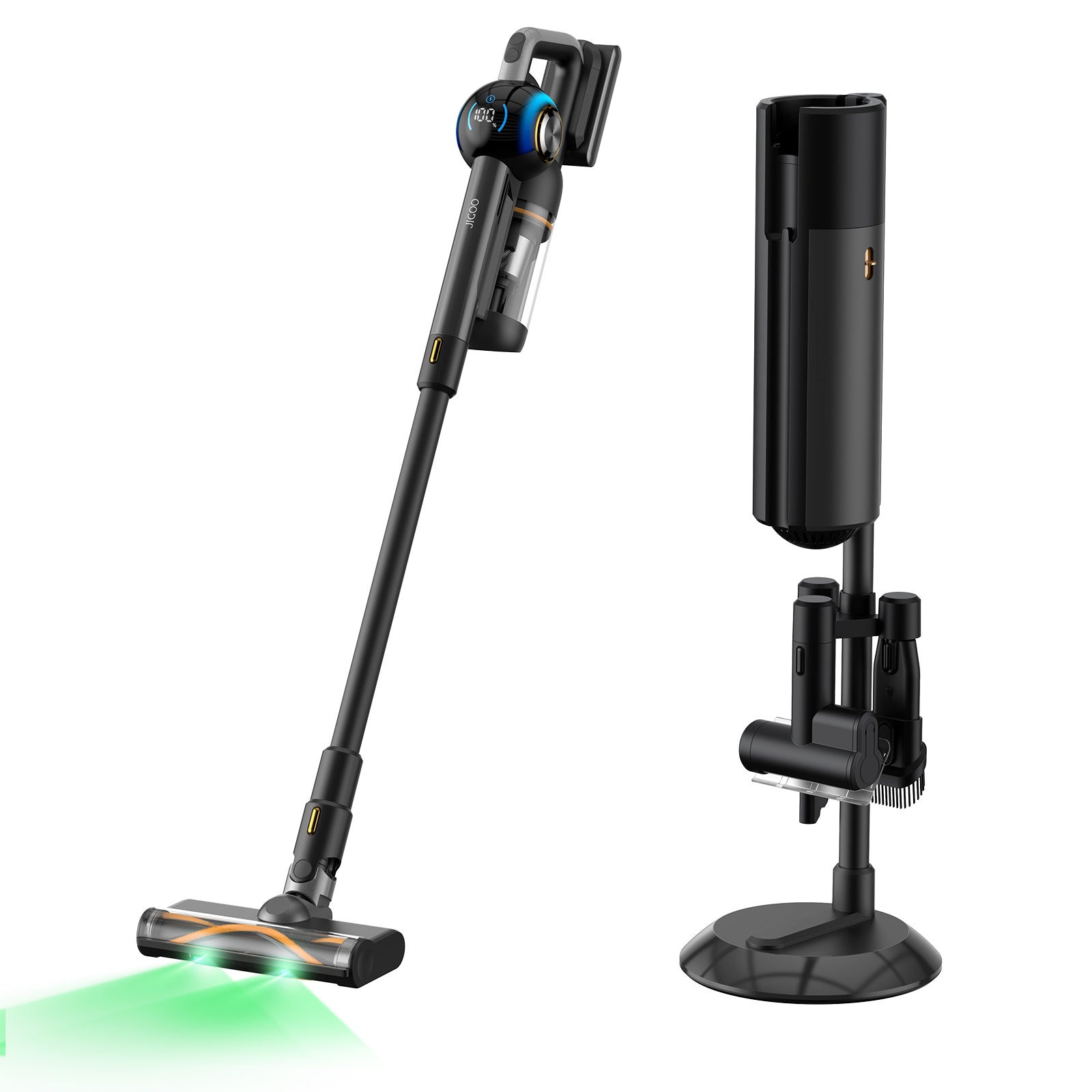
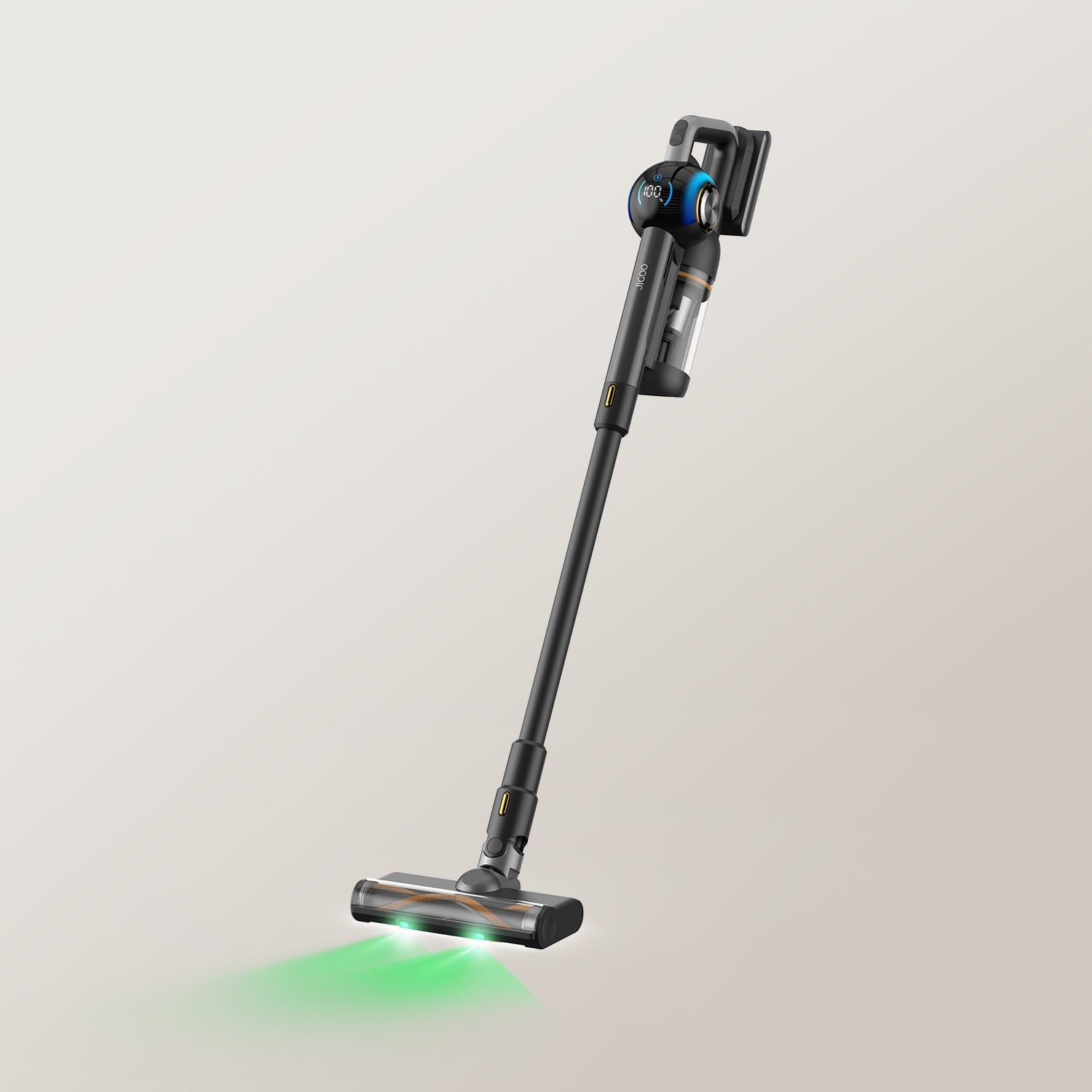
When you use the JIGOO T600 or J300 Pro, you’ll have access to more cleaning technologies. Everything from powerful suction to high-frequency tapping and UV sterilization will clean deeper and reduce dust, dander, hair, fur, and dust mites.
After cleaning, let your mattress breathe for a little longer. All that fresh air does a lot of good before you replace freshly washed bedding. Think of the bedroom as an ecosystem with the bed at the centre. Deep cleaning should address everything, not just one targeted spot where the family cat loves to clean itself at night.
JIGOO T600 vs. JIGOO J300 Pro: Which One Fits Your Home?
As for finding the right mattress vacuum cleaner for your needs, start with either the JIGOO T600 or the JIGOO J300 Pro.
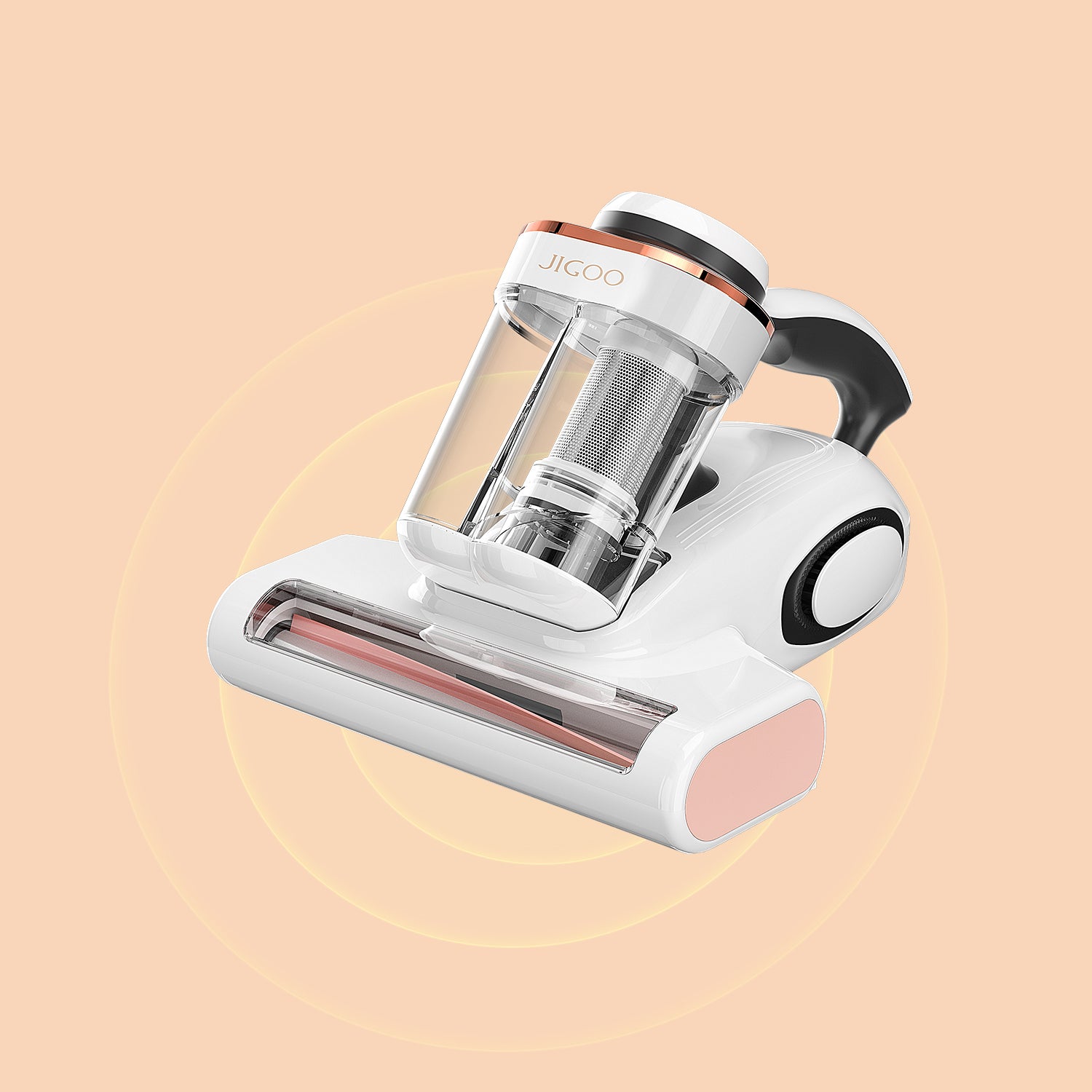
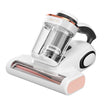
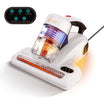
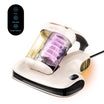
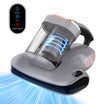
The JIGOO T600 is ideal for larger-size homes, as well as households with pets and family members prone to allergies. Equipped with fragrance-diffusion anti-mite technology and a dual dust-cup design, it delivers up to 99.99% filtration efficiency against ultrafine bacteria.
Featuring a 700W high-power output and 15 kPa strong suction, together with a unique metal brush roller, it achieves efficient mite removal. Equipped with an 800 mW UV light, the T600 penetrates deep into fabrics to break down the protein structures of bacteria and dust mites, while effectively removing odors.

Its heating function reaches a constant 60 °C in just 5 seconds. Heat permeates deep inside fabrics to remove moisture and disrupt the living environment of dust mites at the source.
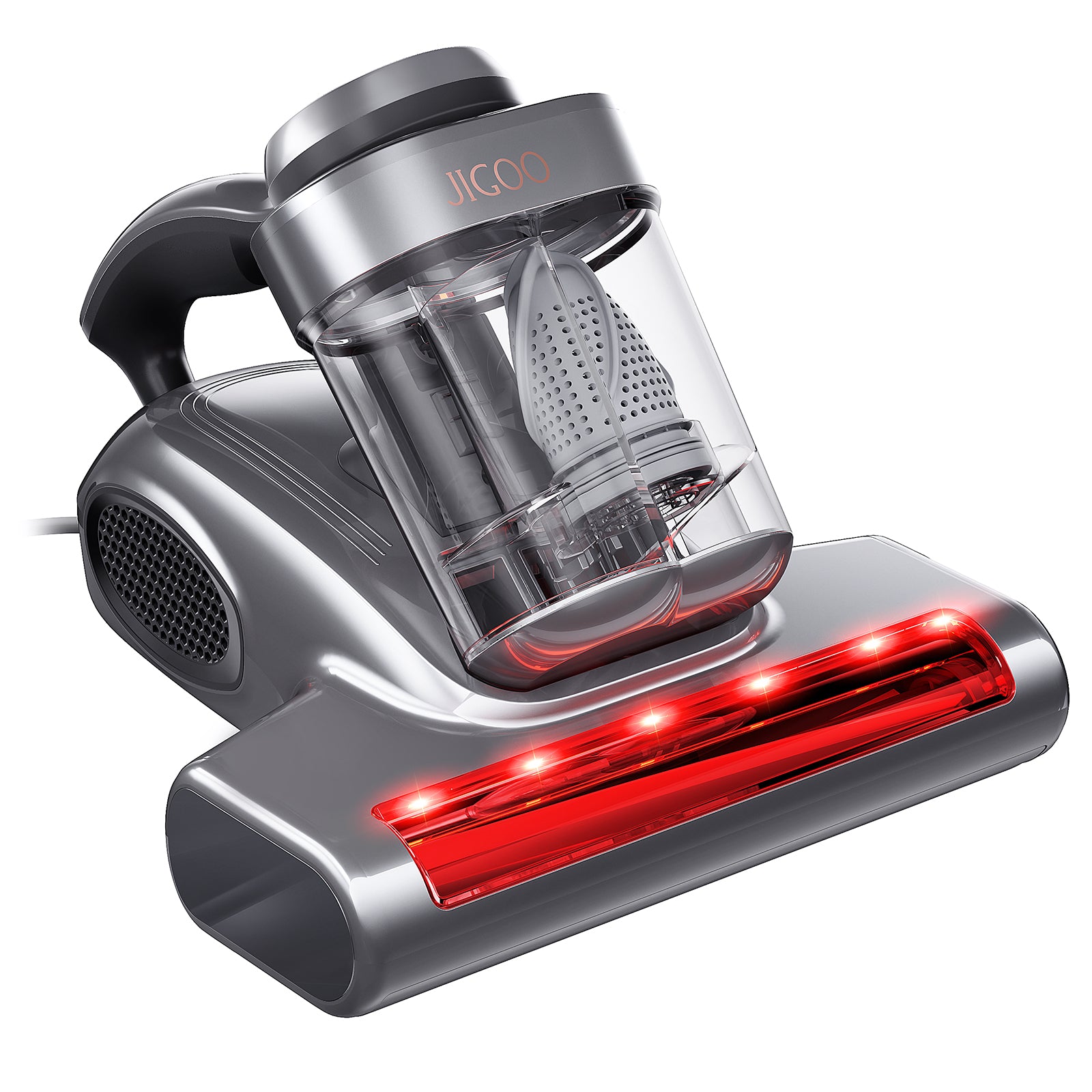
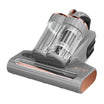
The JIGOO J300 Pro can help in apartments, guest bedrooms, smaller households, or those just starting with regular deep cleaning. The anti-mite vacuum cleaner uses deep U-FIR sterilization for root-level mite removal, penetrating deeply into fabrics with UV light, ultrasonic vibration, and 60℃ hot air to disrupt mite habits.
The upgraded metal brush roll on the J300 Pro firmly taps to loosen any dust and prevent allergens from resting on your fabric. It also helps remove hair and threads from your soft goods instead of wrapping around the vacuum cleaner head. Everything, from the dust cups to the cyclone system, is detachable and washable, perfect for those high-pollen seasons.
You could also combine both models into a more diverse deep cleaning routine that goes beyond the mattress. That’ll give you more cleaning versatility, no matter the time of year.
A Cleaner Mattress Starts with the Right Routine
Mattresses work hard every single night, but they’re often overlooked when it comes to regular cleaning. Having a simple, easy-to-repeat deep cleaning routine using the JIGOO T600 or J300 Pro helps reduce dirt, dust, allergens, dust mites, and unwanted hair from where you sleep.
Investing in a dedicated mattress vacuum cleaner helps you get deep into the fabric and below the surface. That way, your mattress looks inviting for rest and ready for any relaxing activity you want to enjoy next.
FAQs
Can a mattress become dirty even if I always use a mattress protector?
Yes. While a mattress protector helps reduce contamination, it cannot stop all dust, moisture, or microscopic particles from sticking around.
Does bedroom humidity affect mattress cleanliness?
Absolutely. When you have higher humidity, it cultivates a breeding ground for moisture, mold, and allergens. Dust mites thrive in that type of space, as do bacteria.
Is it helpful to vacuum a brand-new mattress?
Yes. A new mattress should be clean, but using the JIGOO T600 or JIGOO J300 Pro when you’ve just brought a new mattress home can make a difference. Some mattresses sit in warehouses or showrooms for months before being sold. You don’t want the dust from multiple people “testing” the mattress to be in your bedroom.